Keynote Speakers 主旨报告
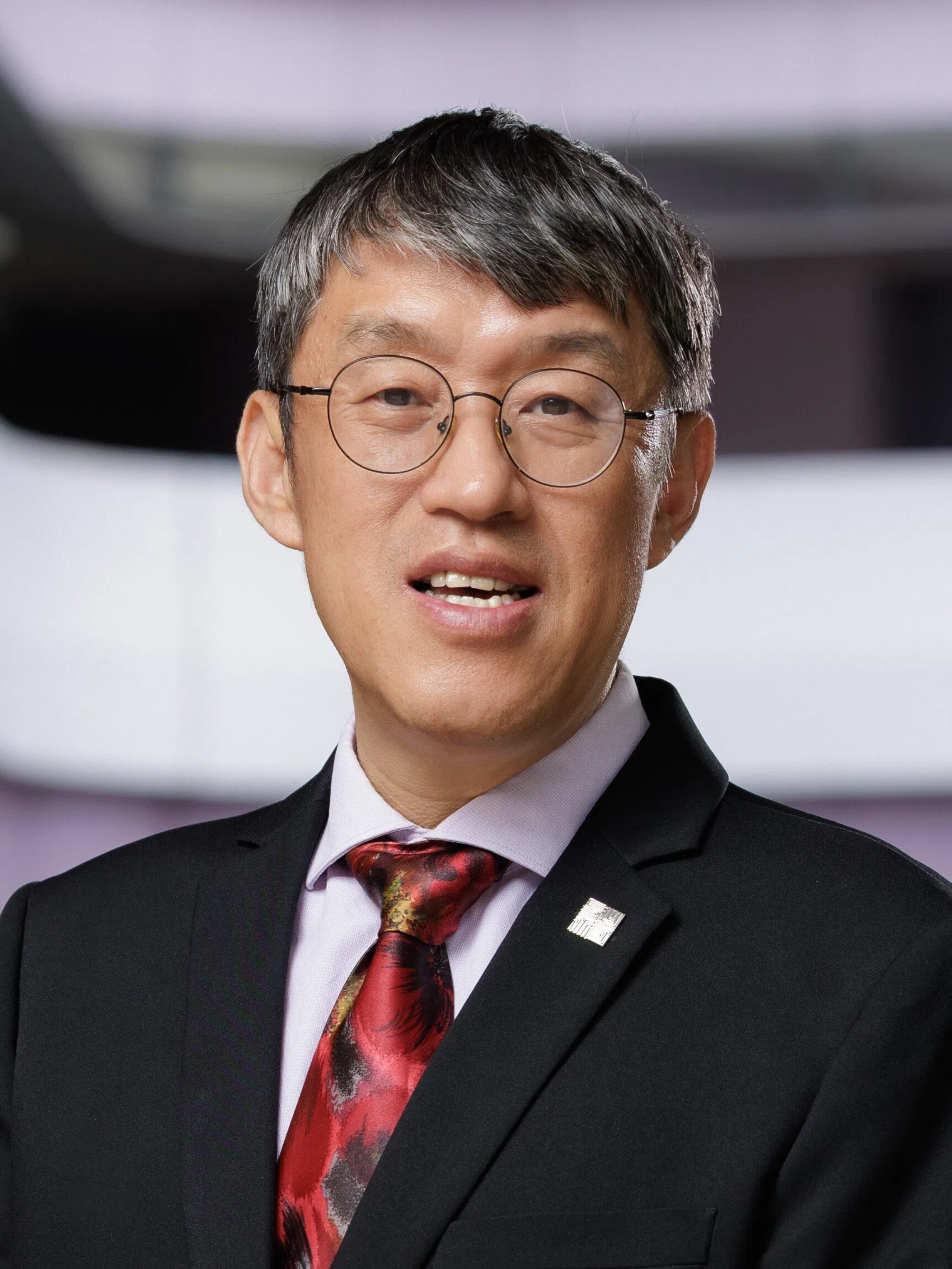 Prof. Xiaoli Li (IEEE Fellow, AAIA Fellow)
Singapore University of Technology and Design, Singapore
Xiaoli is currently a Full Professor and Head of the
Information Systems Technology and Design Pillar at
Singapore University of Technology and Design (SUTD). He
previously led A*STAR’s Machine Intellection Department,
where he built and directed Singapore’s largest AI and data
science research group. He is also an Adjunct Full Professor
at Nanyang Technological University, and a Fellow of both
IEEE and AAIA.
His research spans AI, data mining, machine learning, and
bioinformatics, and has produced more than 400 peer-reviewed
publications with over 40,000 citations, an h-index of 92,
and more than ten best paper awards. He serves as
Editor-in-Chief of the Annual Review of Artificial
Intelligence and as an Associate Editor for leading journals
such as IEEE Transactions on Artificial Intelligence and
Knowledge and Information Systems. He has also played key
leadership roles as conference chair or area chair at
premier venues including AAAI, IJCAI, ICLR, NeurIPS, KDD,
and ICDM.
Beyond academia, Xiaoli brings extensive industry engagement
experience, having established and led multiple joint labs
and spearheaded more than ten major R&D collaborations with
global partners in aerospace, telecommunications, insurance,
and professional services.
His contributions have earned him international recognition
as one of the world’s top 2% scientists in AI (Stanford
University) and as a Clarivate Highly Cited Researcher.
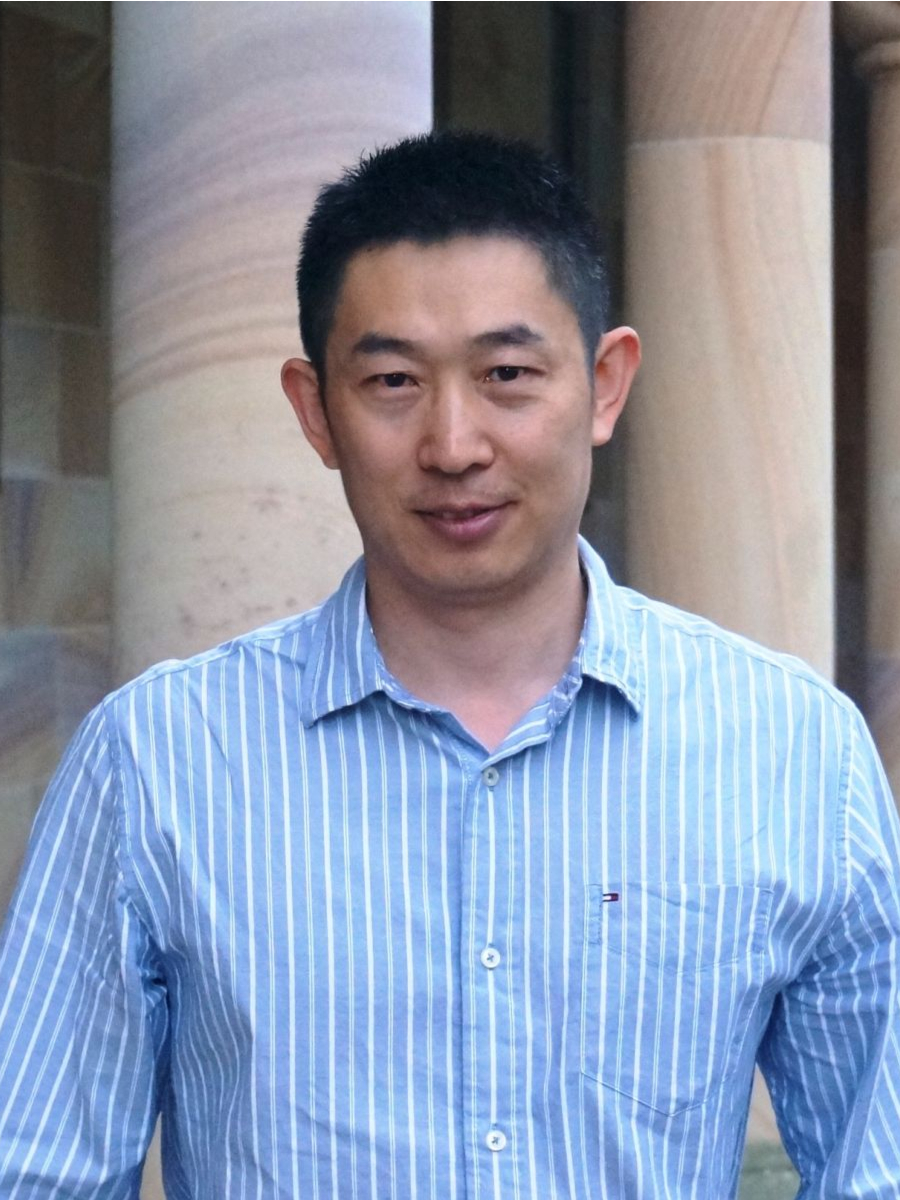 Prof. Jiangtao Cui
Xidian University, China
Jiangtao Cui is a Professor and Doctoral Supervisor at the
School of Computer Science and Technology, Xidian
University. He earned his bachelor’s, master’s, and doctoral
degrees from the School of Computer Science and Technology
at Xidian University in 1998, 2001, and 2005, respectively.
From 2007 to 2008, he served as a visiting scholar at the
Data and Knowledge Engineering Research Institute of the
University of Queensland in Australia under the China
Scholarship Council. He is a national-level high-level
talent, a recipient of the Special Government Allowance from
the State Council, a distinguished teaching professor in
Shaanxi Province’s higher education institutions, and a
member of the Eighth Academic Division of the Ministry of
Education’s Science and Technology Committee.
Currently, he serves as the Executive Dean of the School of
Computer Science and Technology (National Exemplary Software
School) and a member of the University Academic Committee.
He is a Distinguished Member of the China Computer
Federation (CCF), a CCF Council member, and the Vice
Chairman of the Shaanxi Computer Federation/Computer
Education Society. Additionally, he serves on the CCF
Database/Big Data/Blockchain Technical Committee and is an
expert in engineering education accreditation and
undergraduate education teaching evaluation.
His primary research areas include data and knowledge
engineering, database kernel technology, and his work has
been recognized with a second prize in the Natural Science
Award at the provincial level. He leads the Big Data
Fundamental Theory and Intelligent Analysis Discipline
Innovation and Talent Recruitment Base, the Xi’an Key
Laboratory of Advanced Database Technology, and the Shaanxi
Provincial University Engineering Research Center for
Advanced Databases. He has long been engaged in the
development of computer science programs, overseeing
initiatives such as the “Computer Science” Top Student
Cultivation 2.0 Base, the “Computer Science and Technology”
National First-Class Undergraduate Program, and projects
related to first-class courses and virtual teaching teams.
He has received two second prizes in the National Teaching
Achievement Awards and two first prizes in provincial
teaching achievement awards.
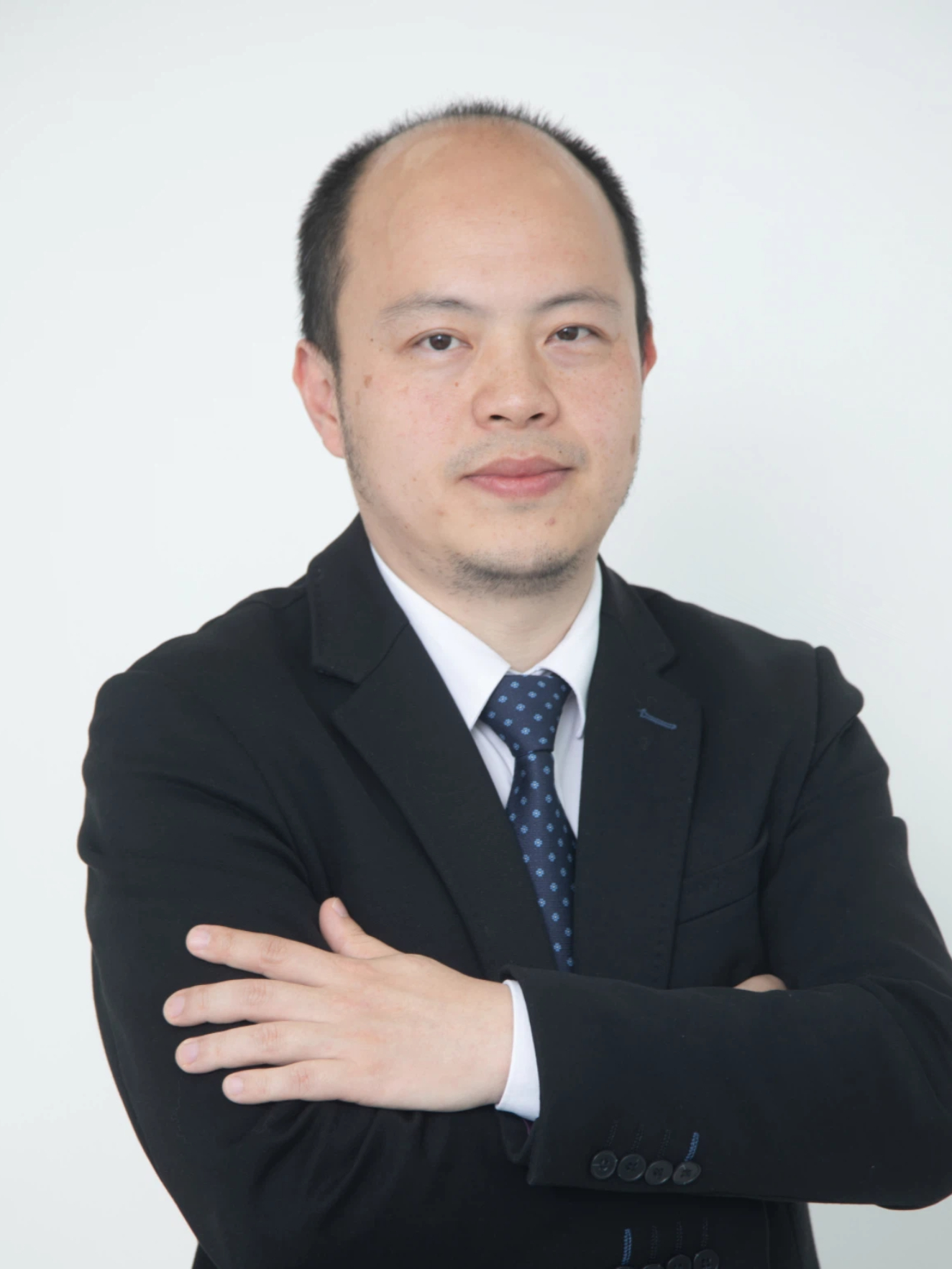 Prof. Hui Liu
Central South University, China
Prof. Hui Liu is currently a chair professor at Central
South University (CSU), a distinguished professor of
Changjiang Scholars Program, and deputy dean of the School
of Transportation Engineering of CSU. His research focuses
on interdisciplinary areas spanning artificial intelligence,
big data, and transportation engineering. He has been
recognized as a Clarivate Highly Cited Researcher, an
Elsevier Highly Cited Chinese Researcher, an "Outstanding
Young Scholar in Engineering Frontier" by the Chinese
Academy of Engineering, and a recipient of the Royal Academy
of Engineering’s "Outstanding International Engineer Award."
Prof. Liu holds dual doctoral degrees from China and
Germany, as well as a German professor’s diploma in
Robotics. Prior to his current roles, he served as a named
BMBF Junior Group Leader under the German Federal Ministry
of Education and Research, Director of the Robotics
Institute at the Key Laboratory of Automation in Life
Sciences in Germany and held the W1/W2 professorship.
As the first contributor, he has won prestigious awards
including the World Internet Conference Leading Technology
Award, Springer Nature’s "China New Development Award," the
China Ministry of Education’s Technological Invention Award,
the Wu Wenjun Artificial Intelligence Technology Award, and
the Geneva/Nuremberg Patent Gold Medal. Additionally, he has
participated in projects awarded the National Science and
Technology Progress Prize of China (Class I). With over 100
authorized invention patents in China, the U.S., Germany,
France, Japan, Australia, and other countries, Prof. Liu has
also published five academic monographs with
Springer/Elsevier and authored more than 100 academic
papers. He leads four National Natural Science Foundation
projects and has spearheaded over 10 significant domestic
and international research initiatives, collaborating with
institutions in the UK, Germany, and other countries.